

Deciding whether to list your rare bottles for sale or keep them securely in a vault is a common dilemma among us Whisky enthusiasts. One thing to note before making a decision, however, is that storing whisky is much different from storing wine.
Wine has a bell-curve lifecycle: it improves with age, reaches a peak of perfection, and eventually turns into expensive vinegar. Collectors must sell wine before it passes its peak.
Whisky only ages while it is inside the wooden barrel. The moment it is bottled, the ageing process stops. A 12-year-old Whisky bottled in 2026 will still taste like a 12-year-old Whisky in 2076. The liquid will not decay if you keep the bottle out of direct sunlight.
You can hold your inventory indefinitely without worrying about an expiration date. As such, we often wonder: Should I sell my Whisky or store it for later?
Benefits of Selling Whisky
Unlocking the capital inside your collection is the most immediate benefit of offloading a bottle.
When bottles sit at home in a cupboard, they function like frozen funds. Choosing to exit turns that glass into liquidity that you can deploy immediately.
Selling also allows you to secure your gains during favourable market conditions.
At Whisky Mansion, we run an on-site trade facilitation service. You can sell your whisky to us for immediate cash payout for your assets.
Reasons and Signs to Sell Whisky
If the thought of selling whisky has been edging on your mind for the last couple of months, here are some reasons some of us have liquidated our whisky.
Capitalising on Financial Gain
When you bought a rare bottle years ago, you might not have expected it to appreciate so rapidly. Take a look at recent auction results. If your bottle has appreciated significantly from your initial retail purchase price, cashing in makes sense. Securing your profit ensures you do not lose those gains if market trends change.
If you were lucky enough to buy the Yamazaki 18-Year-Old Single Malt around 2017, you likely paid close to its standard retail price of SGD 400 to 500, depending on the retailer and release batch.
By the absolute peak of the global Japanese whisky bubble in April 2022, frantic demand on the secondary market drove local Singapore auction prices and speciality retail rates for that exact same bottle to an eye-watering SGD 1,500 to SGD 1,800.
At Whisky Mansion, we monitor live secondary-market data daily so you can see exactly what your bottle is worth today.
Betting on Price Decline
If you notice a particular distillery losing popularity or global demand slowing down, selling before a price correction is a smart move. Plenty of times, flippers acquire bottles to gain immediate profit, selling to individual collectors and enthusiasts. However, if a distiller produces more bottles, supply catches up to demand, driving prices down.
This leaves the flipper in a position where they must sell immediately to avoid further losses.
Collection Upgrade
You might want to get rid of duplicate bottles or expressions you no longer care to hold. Selling off several mid-tier items allows you to accumulate a larger fund. You can then use that capital to acquire a rare masterpiece that improves your inventory.
Let’s say your collection currently holds a few duplicate bottles of Yamazaki 12 Year Old and Hibiki Japanese Harmony. By consolidating the cash from those bottles, you can instantly upgrade your inventory to a single, highly coveted masterpiece, such as a Hibiki 21 Year Old or a Macallan 18 Year Old Sherry Oak.
Space Constraints
Unlike wine, which is stored compactly on its side, Whisky must be stored upright to prevent the high-proof liquid from eating away at the cork.
This requirement means that a growing collection takes up an enormous amount of vertical physical space. If your boxes are crowding your home or filling up your cabinets, selling helps you reclaim your living space.
Storage Risks
Over decades, corks can dry out and crumble, or fill levels can drop due to micro-evaporation. If you don’t have a dedicated, temperature-controlled, dark space to safely store bottles for the long haul, you might choose to sell them rather than risk the liquid degrading and losing value.
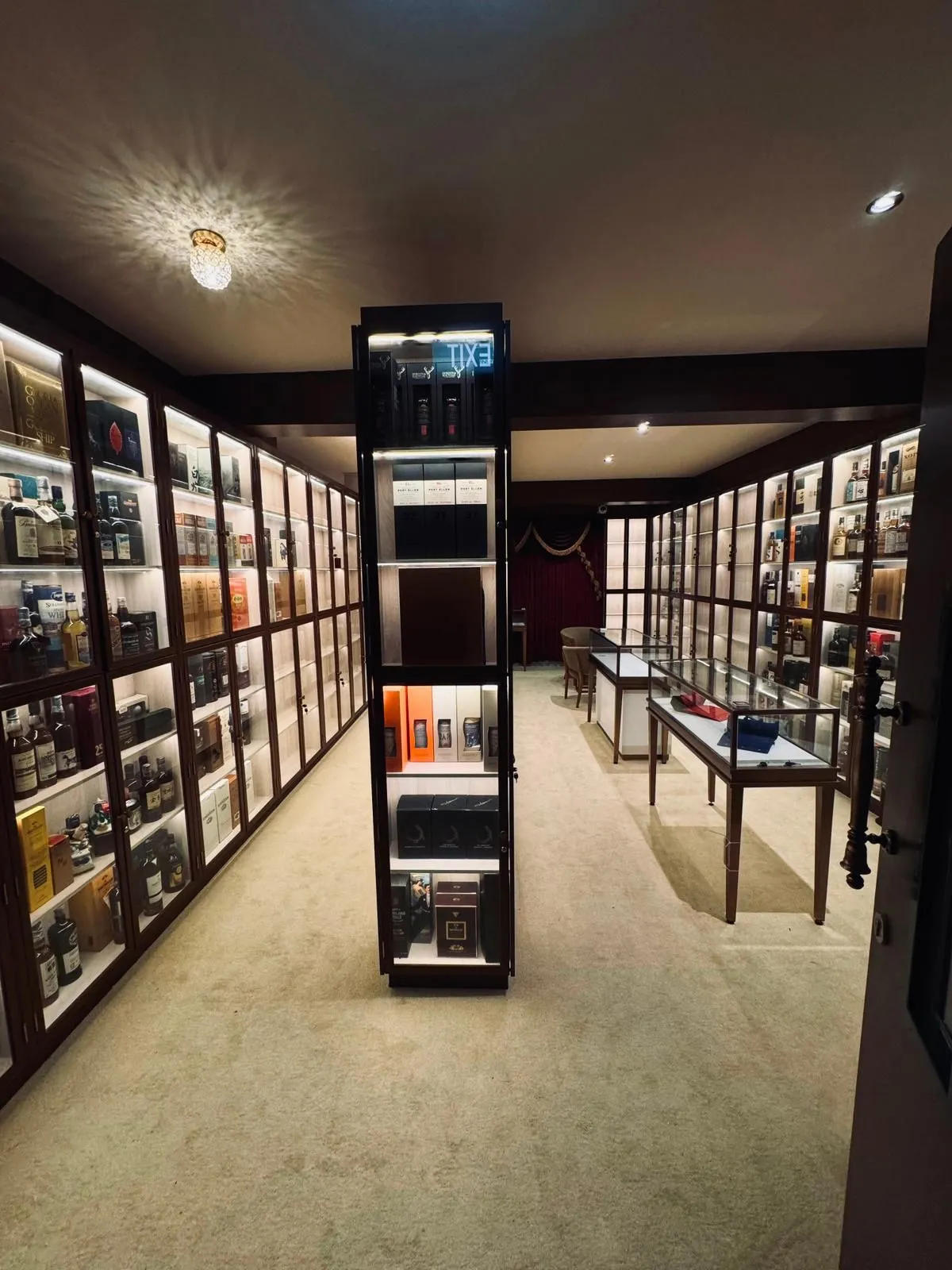
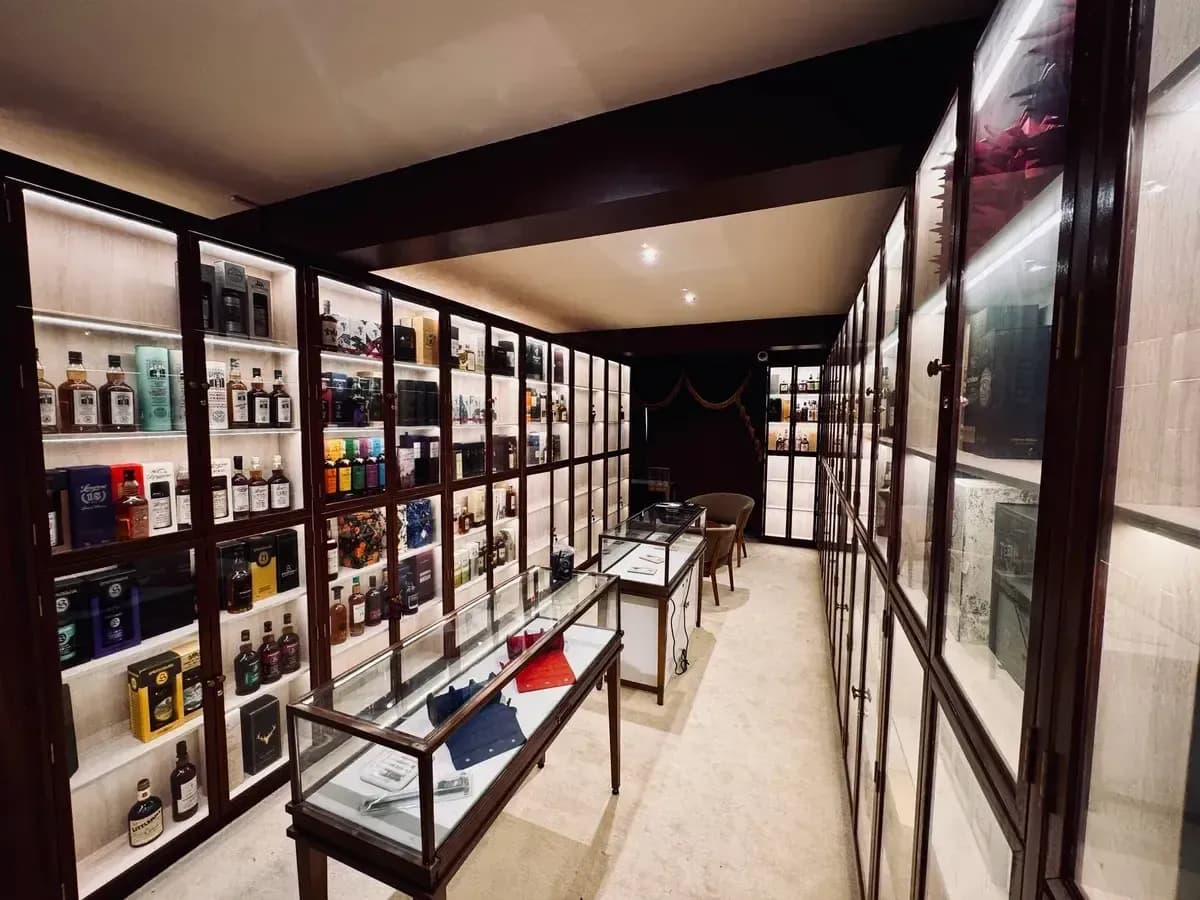
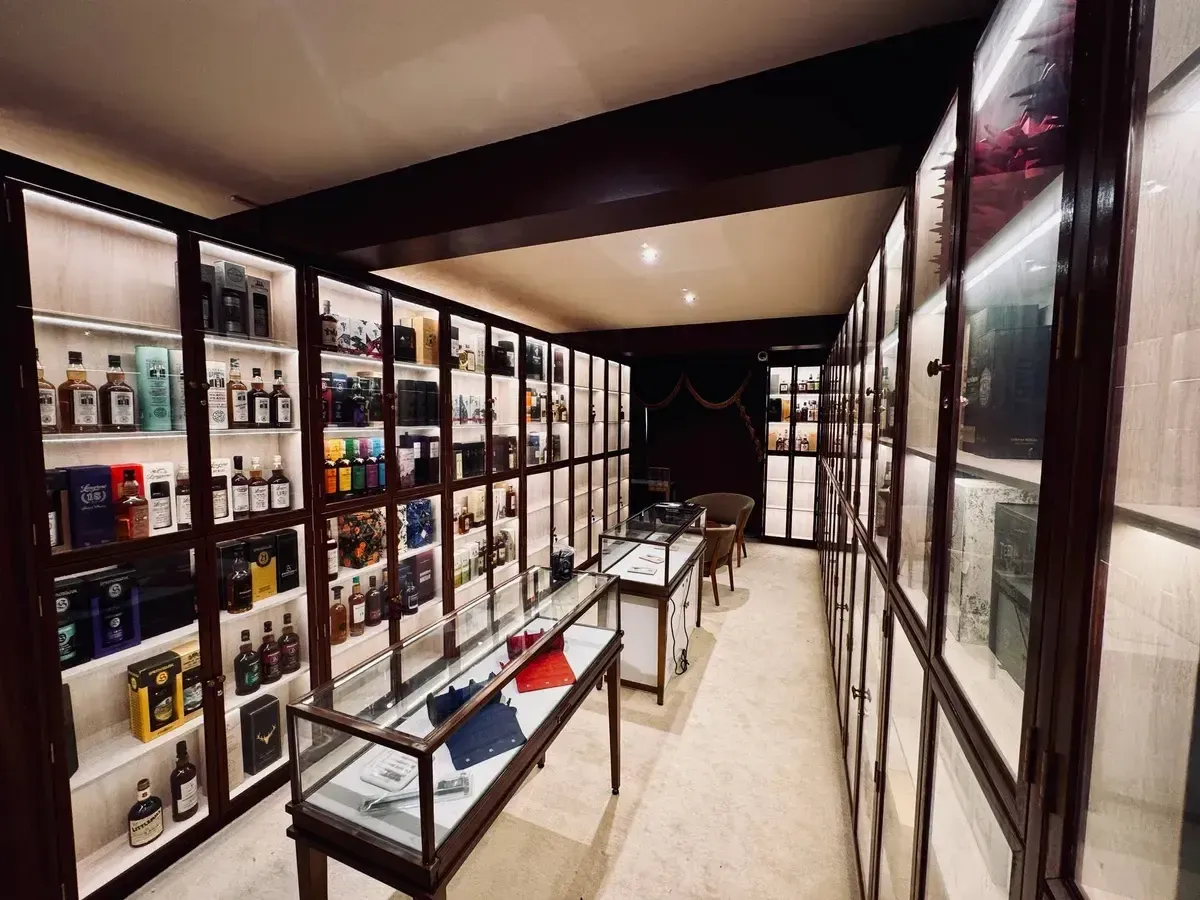
Here at Whisky Mansion, we offer a temperature- and humidity-controlled boutique storage for collectors who may not have the dedicated space at home. If you wish to list your whisky for sale, our luxury interior enhances its presentation to prospective enthusiasts.
Evolution of Taste / Whisky You Wouldn’t Personally Keep
Your palate changes as you sample more spirits. You might have started your journey collecting heavily peated expressions, but now find yourself preferring lighter orchard-fruit profiles.
If you own bottles that you know you will never pour for yourself, then you aren’t likely keeping them for a special occasion either. It’s better to sell them to a collector who will enjoy the flavour.
Benefits of Storing It for Later
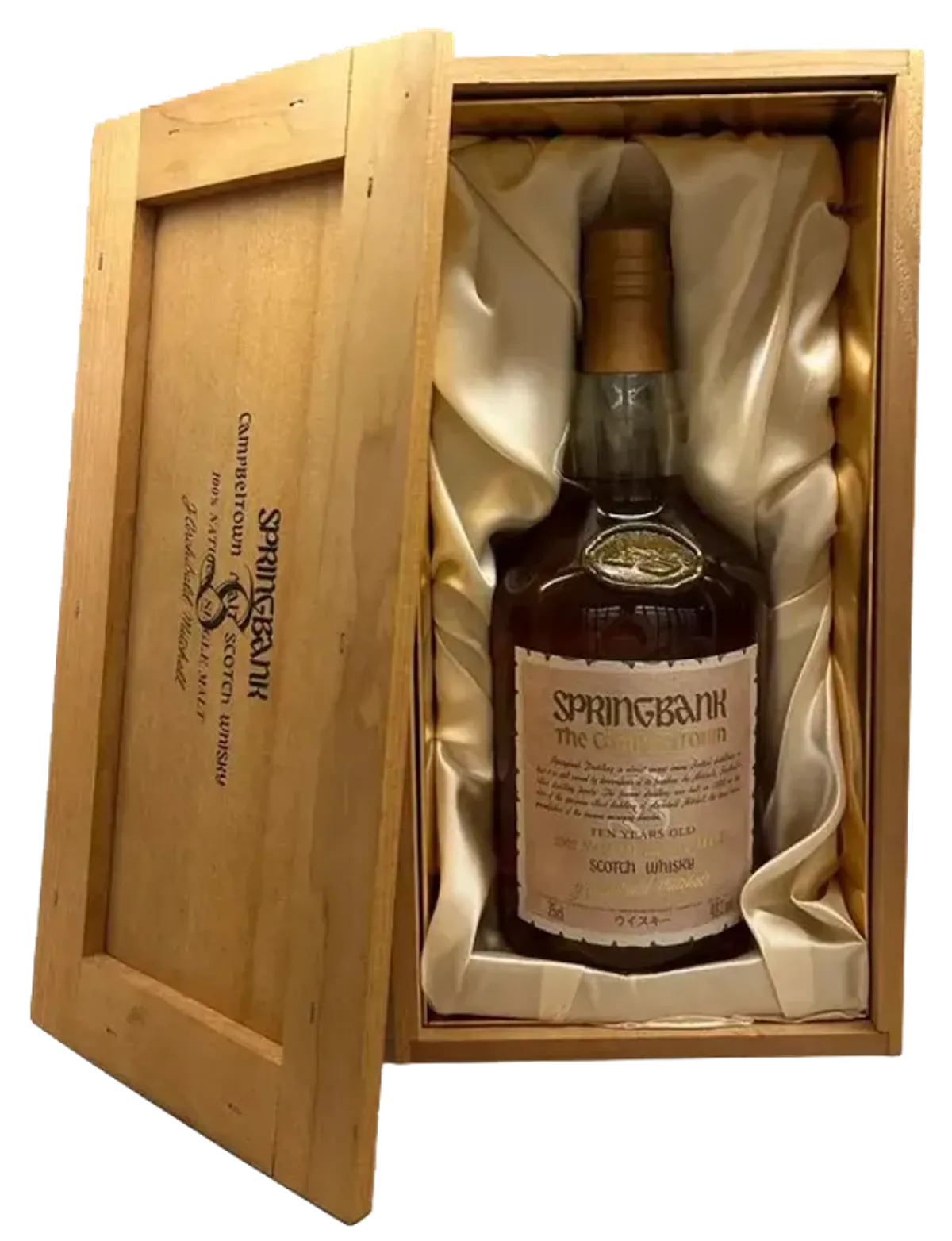
Distilleries cannot manufacture time, so older age statements remain highly limited, and that scarcity is what drives long-term value.
While the industry generally agrees that whisky doesn't actively age once bottled, some collectors believe that decades of slow, microscopic oxygen exchange around the cork or screwcap can gradually soften an unopened bottle's profile. Either way, the spirit remains stable and drinkable for generations when stored properly, which means time is firmly on your side as a holder.
As such, storing it for later lets you keep a piece of liquid history while giving rarity — and, some would argue, character — the room to grow.
Reasons to Store Whisky for Later
You can indefinitely hold onto whisky for it to appreciate. However, should you sell now, or store it for later so you could sell it at a later date, if at all?
Here are reasons you shouldn’t sell them immediately:
Betting on Price Appreciation
The economics of rare spirits rely entirely on shrinking supply. Every single time a collector opens a bottle of a limited release, the remaining unopened bottles become harder to find.
By holding your assets for the long term, you benefit from the organic drop in global supply, which drives up asset prices over time.
Historical Value
Certain bottles represent eras that can never be replicated. If you own items from distilleries that have ceased operations completely, you hold a finite piece of liquid history.
When a brand updates its packaging or changes its recipe, older versions of its standard bottles become more valuable. Collectors seek these bottles from past decades because the liquid inside may have been aged in higher-grade sherry wood that the distillery can no longer afford to use today.
One such case was with the Glendronach 15 Year Old Revival. When the distillery was mothballed between 1996 and 2002, production completely halted.
They then relaunched the 15-year-old expression in 2009, but by then, they didn’t have enough liquid that was exactly 15 years old due to the years they had been closed. To keep the product on the shelves, they were forced to fill the bottles with older stock.
Because of this, many bottles of Glendronach 15 purchased between 2011 and 2015 are widely believed to contain single malt considerably older than 15 years, matured entirely in old-school, heavy Oloroso sherry casks.
Because of dwindling stocks, the distillery had to discontinue the expression entirely in 2015. When the brand brought the 15-year-old bottle back to retail shelves under new ownership, the production method shifted to include a mix of Pedro Ximénez and Oloroso casks using newer distillate.
As a result, those older, pre-2015 Glendronach 15 bottles immediately became trophies. Once these bottles are consumed, they vanish forever.
Family Heirloom
Because spirits remain stable for decades inside the glass, they make fantastic heirlooms. You can purchase a bottle from a notable year and store it securely to hand it down to your children later.
Pride of Ownership
There is a distinct joy in curating a private vault. Displaying a complete series of a rare release brings immense satisfaction. Holding these items allows you to showcase your dedication to fellow enthusiasts.
It’s a Celebration Bottle, Not an Investment Bottle
Not everything in your vault needs to be flipped or resold. While some items in our collections are for value appreciation, others we hold onto for that one monumental occasion. This ensures you have the ultimate pour ready when that special event finally arrives.
As such, celebration bottles should be held onto.
Investment Bottle vs. Celebration Bottle: To Drink or To Sell?
| Investment Bottle | Celebration Bottle | |
| Purpose | Meant to be kept and stashed safely until the time is right to liquidate them. | Stashed away to build flavour and complexity until the time is right to open and pour it |
| Is It Valuable? (e.g., limited editions, 40-year expressions, etc.) | Yes | Yes |
| Should You Sell? | Yes | No |

Every bottle in your collection fits into one of two categories. You must separate the liquid you value for its financial return from the liquid you value for the experience of drinking it:
Investment Bottle
An investment bottle is an asset. You buy it because market data suggests the price will rise over time. You keep it sealed and monitor auction trends. You do not view this liquid as a beverage; you view it as equity. When the market hits your target price, you sell it.
Celebration Bottle
With a celebration bottle, the financial value matters less than the memory you plan to create when you open it.
This liquid is reserved for a pivotal occasion. You store it because you are waiting for the right moment to share a dram with the people who matter most. This could be a wedding or a business milestone.
Our Verdict
If your palate has outgrown certain bottles, and you decide to sell your whisky, our trade facilitation service at 44A Circular Road can unlock that tied-up capital for you immediately, with instant cash payout on the transaction. We also provide a boutique storage facility for your liquor, allowing you to sell to the secondary market.
If you hold genuinely rare bottles tied to closed distilleries and unique historic batches, let them sit. The organic shrinking of global supply will only work in your favour over the long haul.
If you’re waiting for a momentous occasion to open your prized Whisky, hold onto it. No amount of cash can replace a treasured moment.