

Japanese whisky in Singapore refers to spirits distilled in Japan that historically drew from traditional Scotch production methods. The industry began in the early 20th century, when pioneers brought copper pot-still distillation techniques back from Scotland to apply them to Japan's unique climate. For decades, the liquid remained a local secret until international awards brought global attention to the category in the 2000s.
The rules for what can legally call itself "Japanese whisky" are fairly strict. Set by the Japan Spirits & Liqueur Makers Association in 2021, the standards require that the water be sourced from Japan and that all mashing, fermentation, and distillation take place at a domestic distillery. The spirit must then mature for at least three years in wooden casks no larger than 700 litres, and the final liquid must be bottled in Japan at a minimum of 40% ABV.
When you pick up an authentic bottle, you're holding a product that meets every one of those benchmarks, and at Whisky Mansion, that's the only kind of Japanese whisky in Singapore we stock.
How is Japanese Whisky Different from Scotch Whisky?
In Scotland, distilleries openly trade casks with one another, giving blenders a wide palate of styles to draw from when crafting blended whisky.
Japan works the other way. The two major houses, Suntory and Nikka, don't trade stock with each other, so each one has to generate its full spectrum of flavours entirely in-house. That's why a single Japanese distillery will run several different pot still shapes, multiple yeast strains, and a range of barley types under one roof. It's also why each house produces both malt and grain whisky itself, rather than sourcing the grain component externally, as many Scotch blenders do.
The climate then does its share of the work. Japan's sharp temperature swings between hot summers and freezing winters force the wood to expand and contract more aggressively than it does in Scotland's milder weather. The spirit pushes in and out of the oak staves faster, which is why a 12-year-old Japanese whisky often tastes more wood-forward and mature than a Scotch of the same age.
Japanese barrels also frequently use Mizunara oak (Quercus crispula), a native species known for its porosity and notoriously difficult coopering. The wood imparts a flavour profile you won't easily find anywhere else: sandalwood, coconut, and a slow drift of oriental incense.
Which Japanese Whisky Should You Get?
Choosing the right expression depends entirely on your personal flavour preferences. The market features four giants that command the most attention in local bars and private collections across Singapore: Hibiki, Yamazaki, and Hakushu, which are produced by the Suntory distillery, and Nikka.
Hibiki
Hibiki is Suntory's flagship blended whisky portfolio, drawing malt whisky from the Yamazaki and Hakushu distilleries and grain whisky from the Chita distillery, rather than relying on a single distillery.
Before the blenders vat the components together, the spirits age across a mix of wood, including American white oak, Sherry casks, and rare native Mizunara barrels. The result is a layered profile that Hibiki has built its reputation on — silky, floral, and approachable from the very first pour.
Hibiki Japanese Harmony
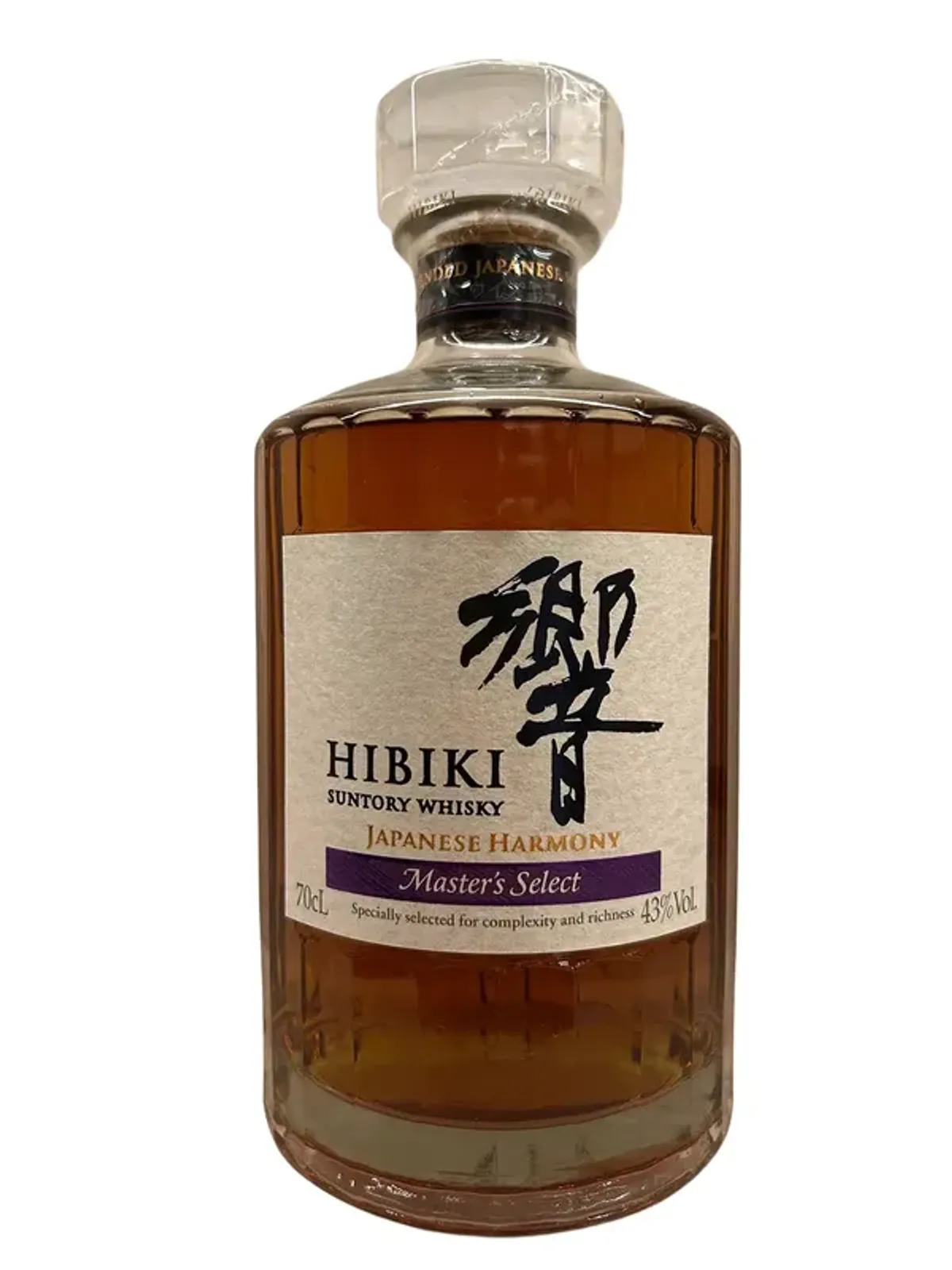
When you hold your glass to the light, you will admire its luminous amber appearance, resembling liquid sunbeams.
The nose offers an immediate floral invitation. You will notice fresh roses and sweet lychee, rounded out by a distinct trace of wild rosemary.
Your first sip introduces a luscious, dessert-like sweetness to your tongue. The palate offers rich honey and candied orange peel, followed by a velvety note of creamy white chocolate.
The texture is remarkably silky. It glides across your palate with a gentle weightlessness, leaving a smooth sensation that encourages another taste.
Maturation utilises five distinct cask selections, highlighted by American white oak and rare native Mizunara wood, allowing the diverse characters to combine seamlessly.
Hibiki 12 Years Old
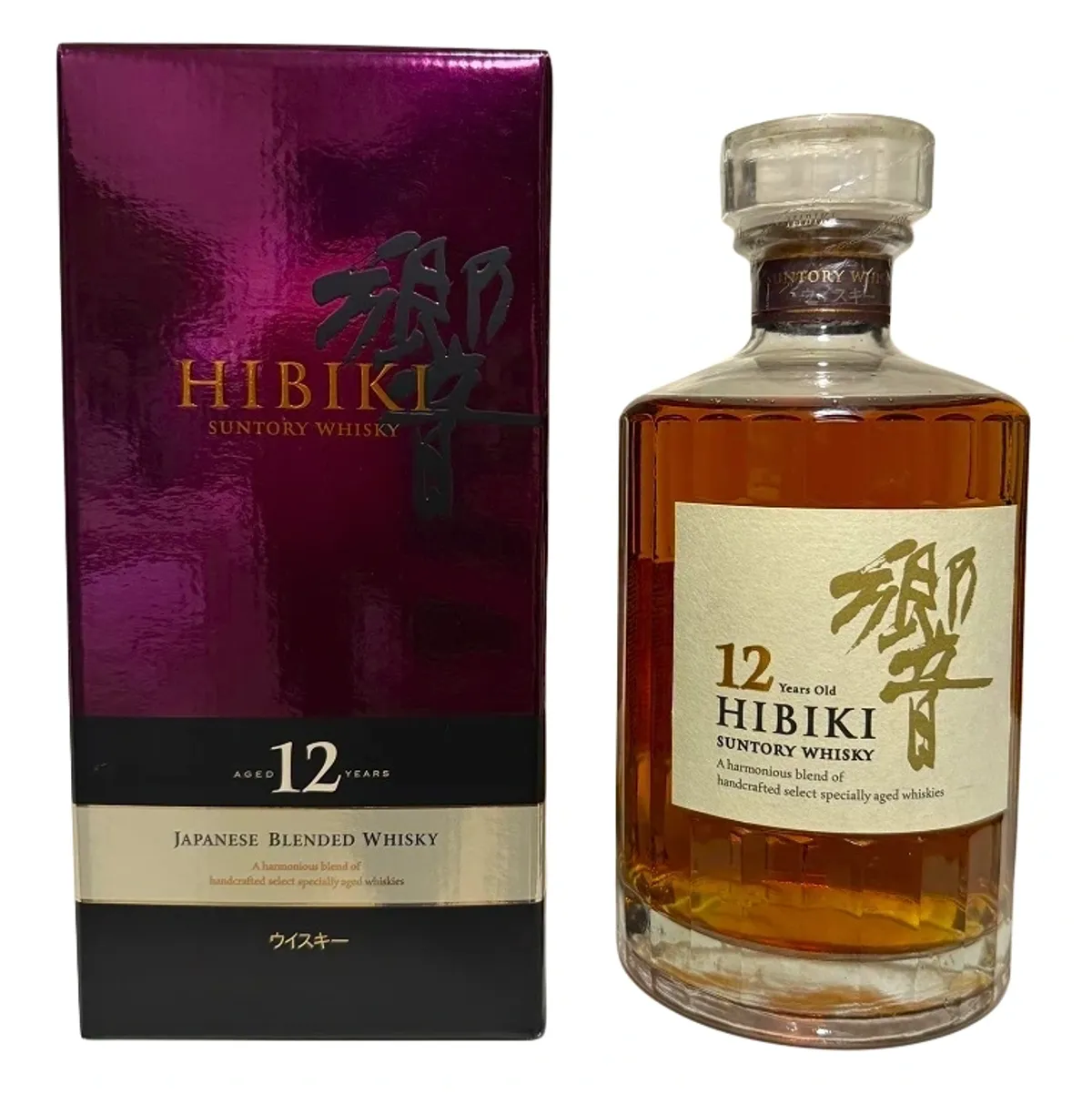
Hibiki 12 has a story that matters. Suntory discontinued it in 2015 as demand for Japanese whisky outpaced aged stock, and for years it became increasingly difficult to find. In 2026, the bottle finally returned, and we were glad to see it back at Whisky Mansion.
The appearance is a glittering, sun-kissed gold.
On the nose, the whisky opens bright and generous, fresh pineapple and juicy red raspberries layered over a rich vanilla custard background.
When the liquid lands on your palate, you'll get an unctuous, jammy fruitiness. Sweet apricot and toasted almonds carry through, lifted by the influence of casks that once held Umeshu, Japan's traditional plum liqueur. That cask finishing brings a tangy stone-fruit character you won't taste anywhere else in the Hibiki line.
The texture is plush and noticeably round, coating your mouth with a velvety fruit syrup sensation that lingers well past the swallow.
Hibiki 21 Years Old
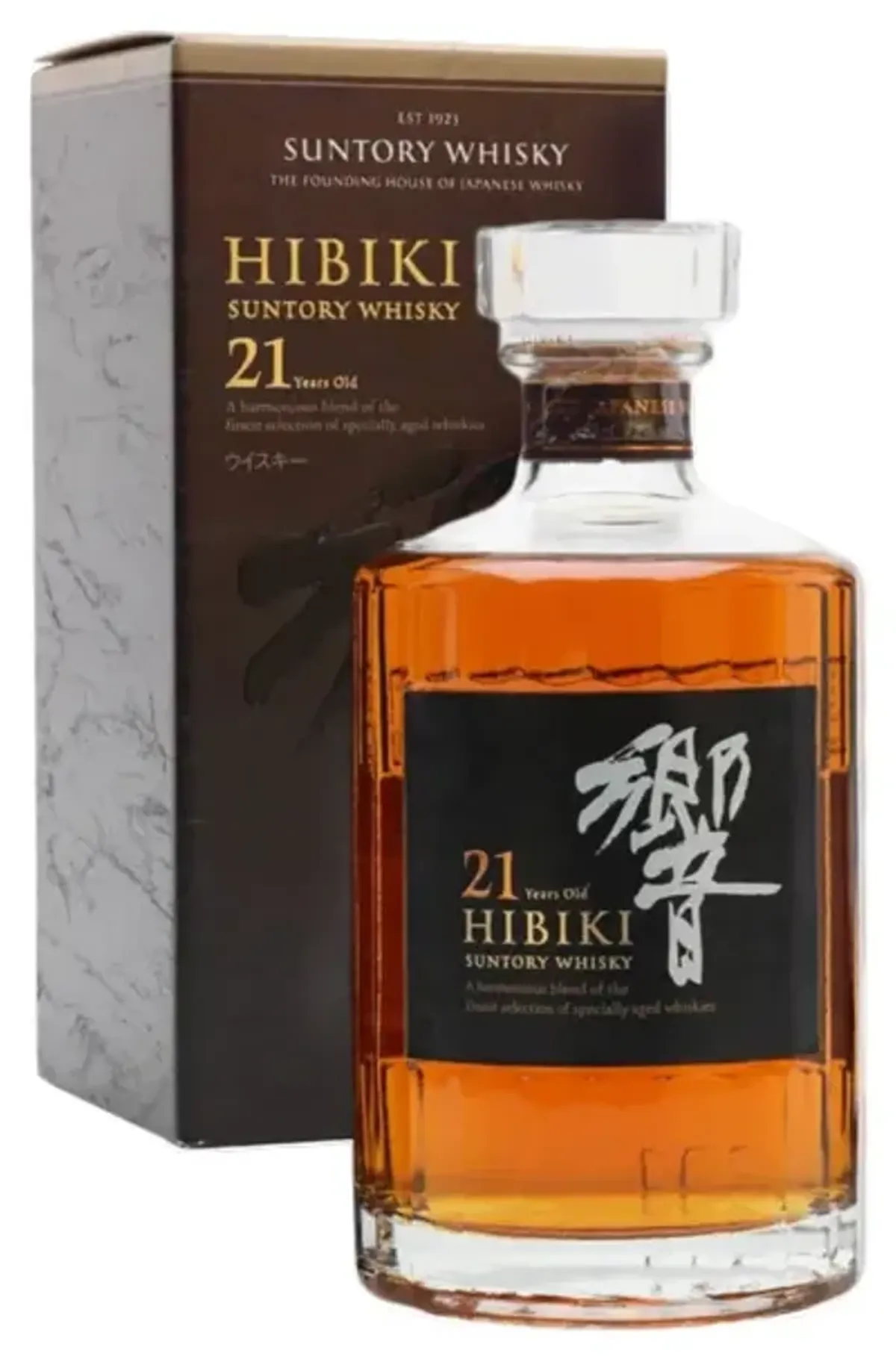
Hibiki 21’s appearance is a rich, dark bronze amber that hints at its intense wood interaction.
The nose welcomes you with an extraordinarily heavy, opulent profile. You will notice caramelised brown sugar and dark blackberries, paired with a distinct top note of ripe banana.
The palate delivers a remarkably luxurious, dessert-like indulgence. You’ll taste thick honeycomb and dried apricots, which combine with a distinct, savoury touch of black liquorice.
The flavours are concentrated and stay on your tongue for minutes.
The texture is exceptionally oily and heavy. It blankets your entire mouth with a dense, syrupy richness that feels substantial.
Maturation takes place across a curated selection of sherry butts and native Mizunara oak, giving the old liquid an undeniable temple incense complexity on the long finish.
Hibiki 30 Years Old
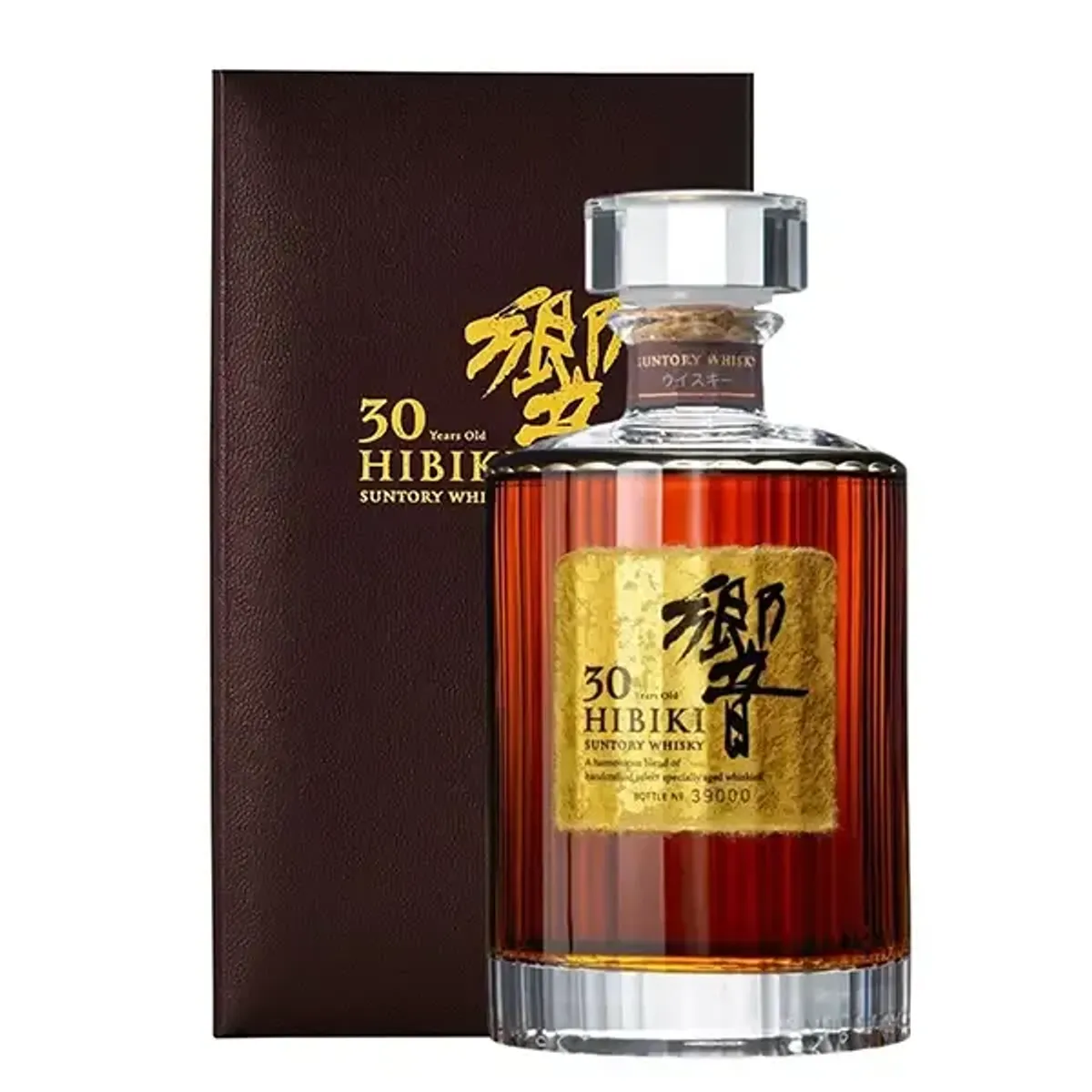
Hibiki 30 is the pinnacle of the core blended line, a highly limited luxury release that represents decades of careful vault storage.
The appearance is an antique, dark amber that speaks to thirty long years of wood contact.
The nose is highly complex, evoking an old-world study. You will pick out rich leather and sweet chestnut, alongside dark raisins.
The palate is incredibly luxurious, coating your tongue in dense layers of dark fruit and warm baking spices. You will taste brown sugar and dried figs, layered over apricot jam and fragrant cedar wood, accompanied by a spicy note of traditional gingerbread.
The texture is viscous, feeling almost like a fine liqueur. It clings to your mouth, delivering a heavy, slow-moving warmth across your palate down to your throat.
Hibiki 40 Years Old
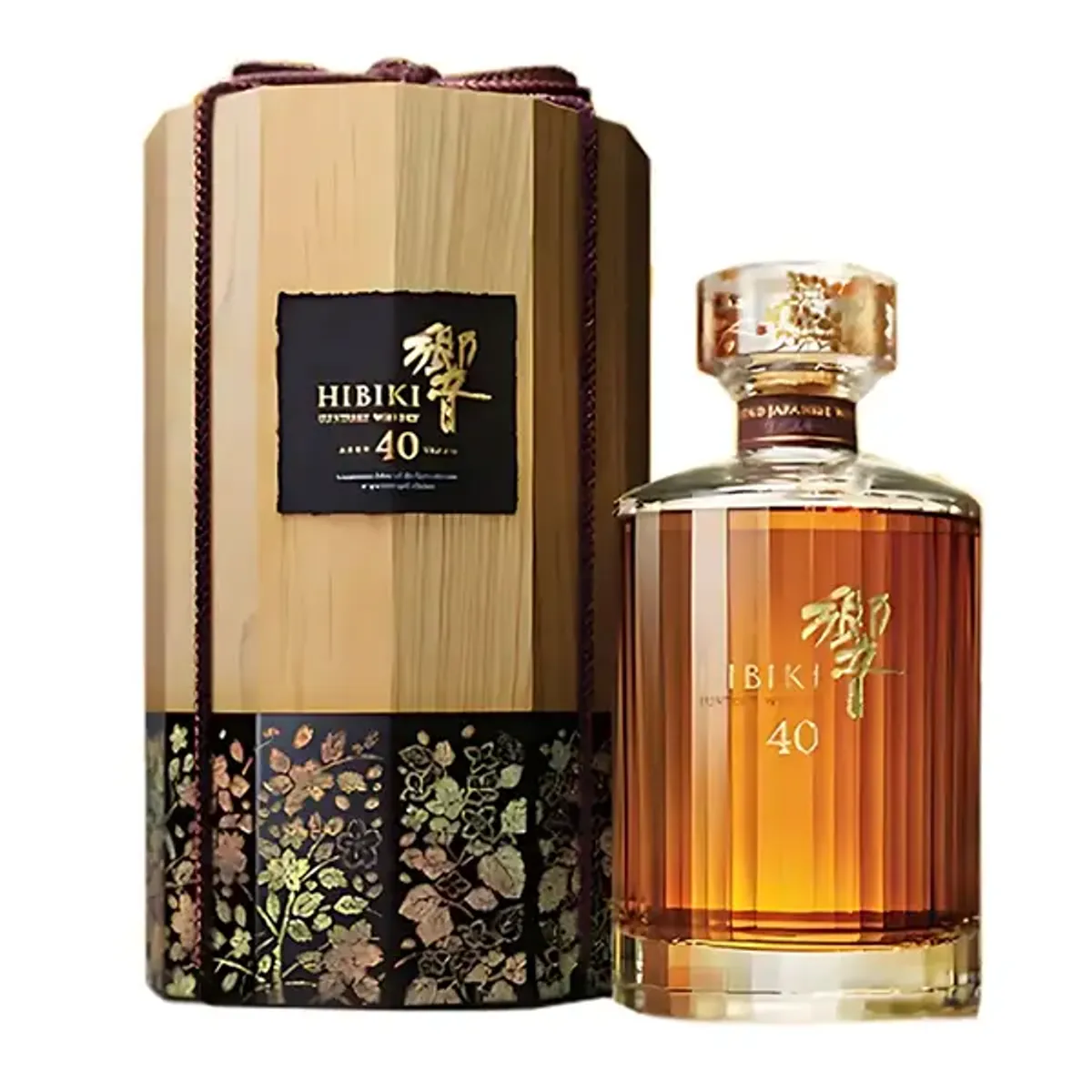
Hibiki 40 is an ultra-rare, generational release that brings together five distinct component whiskies distilled in the late 1970s and early 1980s.
The appearance is a stunning golden amber, glowing with the legacy of four decades.
The nose is delicate, offering a unique combination of stone fruits and spices. You will experience dried apricot and ripened Japanese loquat, paired with hints of lemon peel and fragrant cloves.
The palate is remarkably smooth and sweet on your tongue. Your taste buds will decode rich dried fig and sweet acacia honey, layered with subtle undertones of tart yuzu fruit and the warming toastiness of roasted cacao.
The texture is ethereal and incredibly refined. It possesses a magnificent lightness that softens the massive wood influence, gliding effortlessly over your palate.
Yamazaki
Yamazaki is Japan’s pioneer single malt whisky line, originating from the country’s oldest malt distillery established in 1923. It has built a reputation for its fruit-forward character.
The distillation process takes advantage of soft underground spring water, which undergoes fermentation inside a mixture of stainless-steel and traditional wooden Douglas fir washbacks.
Yamazaki Distiller’s Reserve
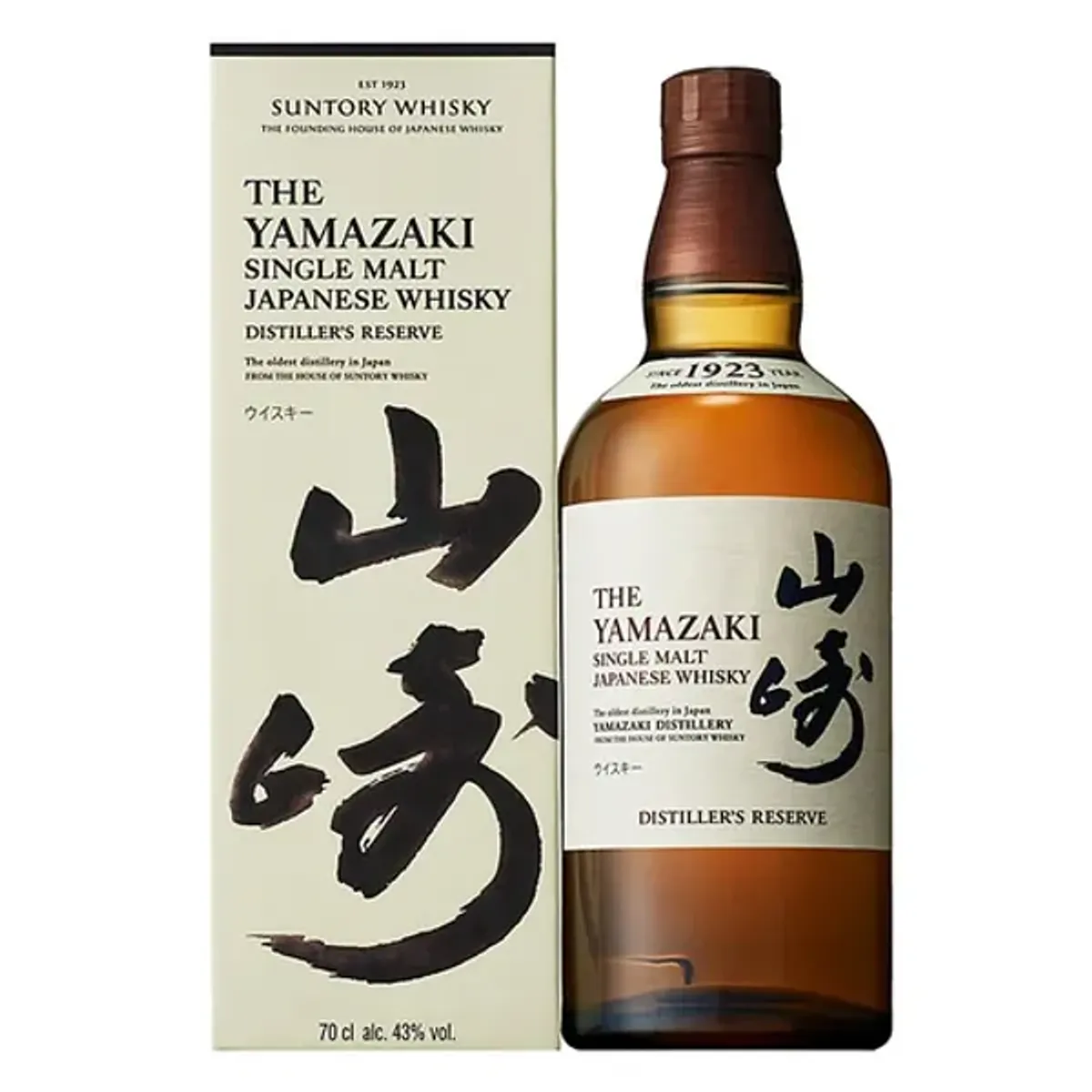
Yamazaki Distiller's Reserve is the favourite single malt from Japan's oldest distillery, showcasing a bright, wine-cask-forward profile with no minimum age statement.
The appearance is a clean, bright gold.
The nose is intensely vibrant and full of red fruit berries. You will notice ripe strawberries and fresh red cherries, accented by a soft hint of vanilla pod.
The palate delivers a remarkably crisp and clean sweetness to your tongue. You will taste tart raspberry and white peach, accompanied by a distinct note of fresh coconut water and light malted barley.
The texture is light and exceptionally refreshing. It moves across your palate without any heavy residue, keeping the tasting experience nimble and crisp.
Yamazaki 12 Years Old
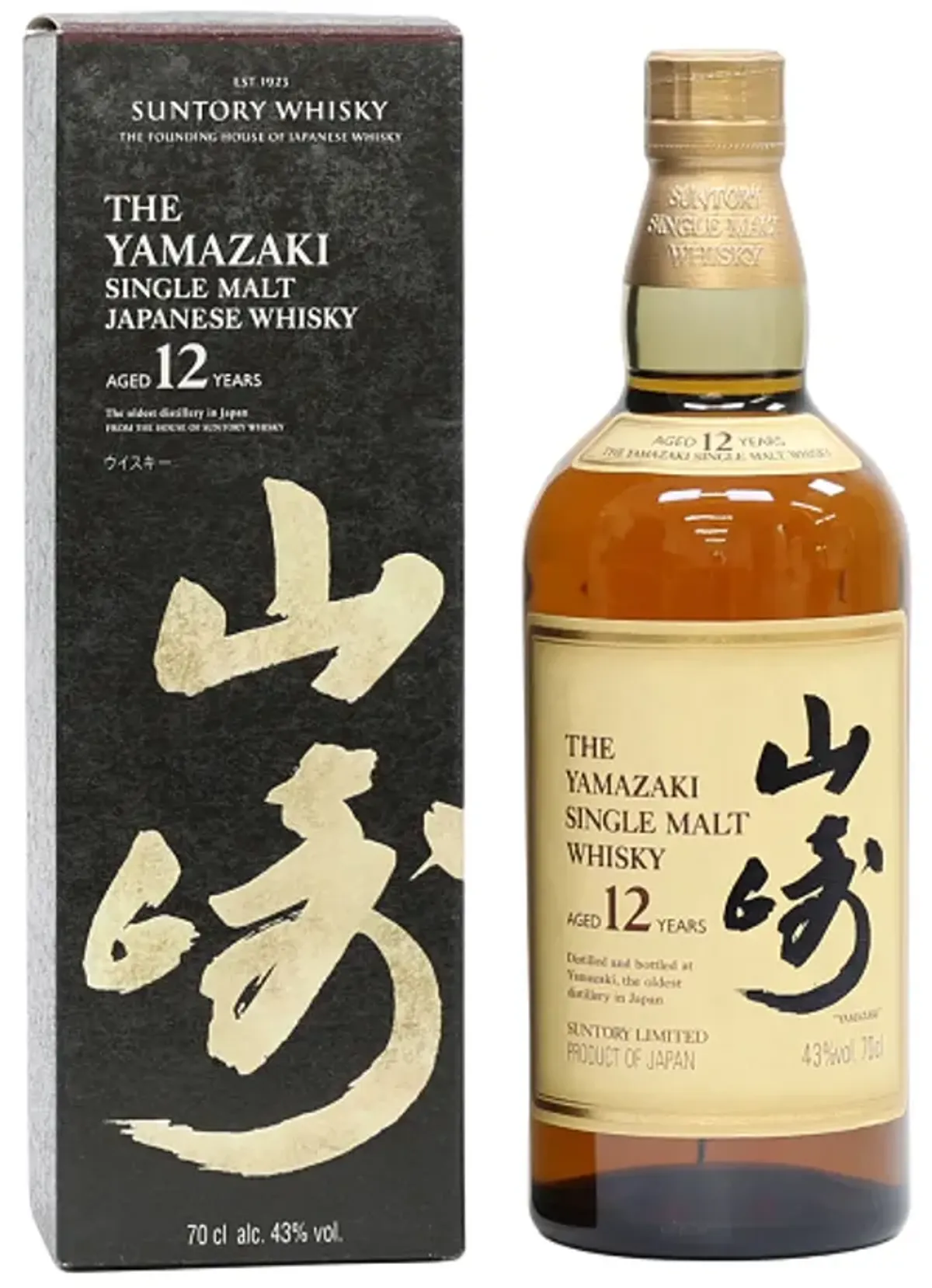
Yamazaki 12 is the legendary benchmark that introduced Japanese single malt to the global stage, showcasing a masterful blend of fruit and wood.
The appearance is a glowing gold that looks remarkably elegant.
The nose greets you with a highly expressive burst of tropical fruit. You will pick up fresh peach and pineapple, alongside candied orange peel and vanilla pod.
The palate introduces a rich, confectionery sweetness directly to the centre of your tongue. You will taste sweet coconut cream and tart cranberries, paired with honeyed sponge cake and a buttery note of shortbread biscuit.
The texture is silky and moderately coating. It possesses a satisfying weight that allows the fruit flavours to linger pleasantly.
Yamazaki 18 Years Old
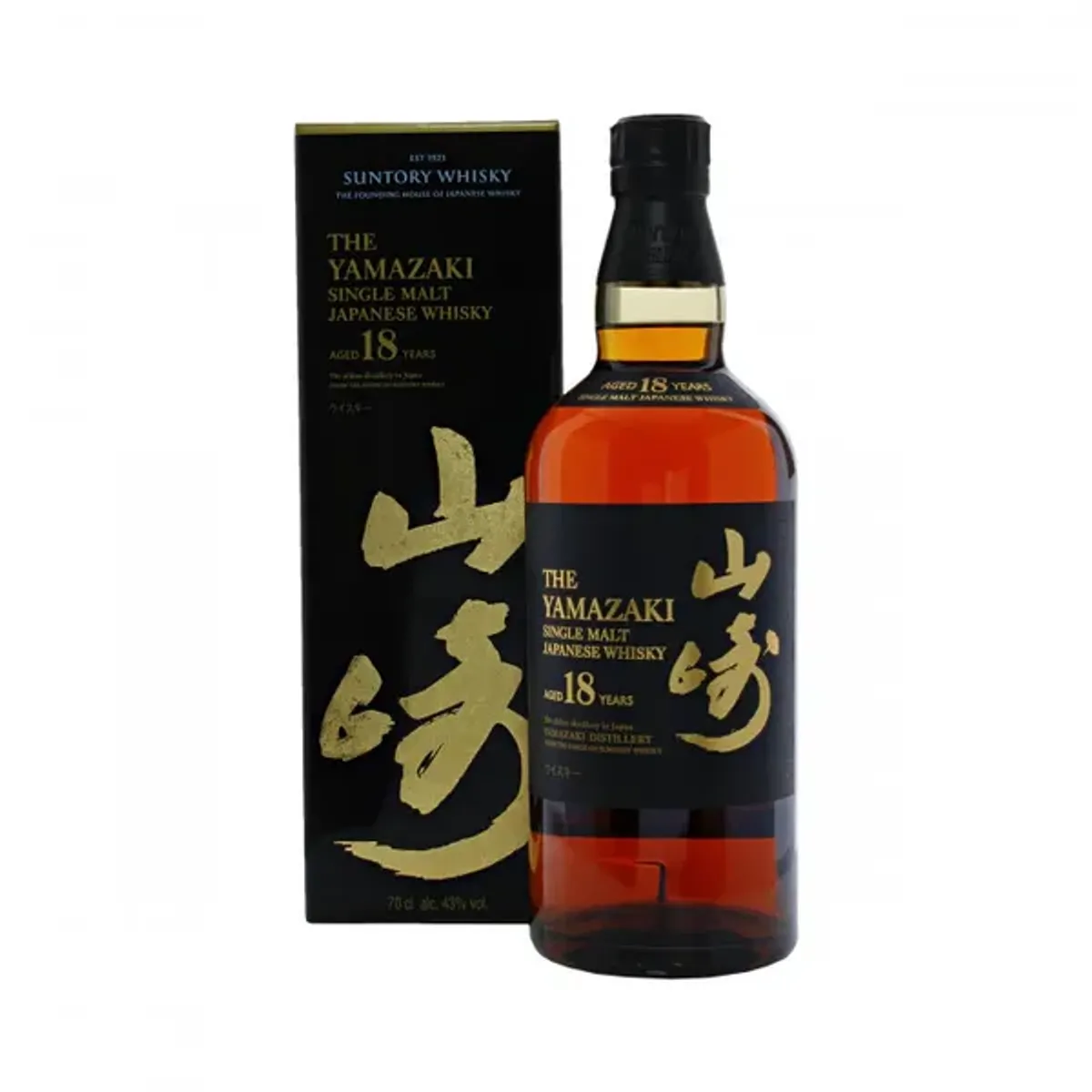
The Yamazaki 18 Mizunara, released as part of Suntory's 100th anniversary line, is the distillery's most uncompromising statement on native Japanese oak. Every drop in this single malt has spent a minimum of 18 years maturing exclusively in Mizunara casks, no American oak, no Sherry, no other wood finishing involved.
The appearance is a striking reddish amber, glowing with a gem-like brilliance.
The nose is intensely aromatic and unmistakably exotic. You will pick up rich notes of dark cherry and sweet apricot compote, accompanied by warm baking spices like nutmeg and cardamom.
The palate sidesteps anything you might recognise from a Scotch profile and delivers something quieter and more ceremonial, subtly spiced orangette and bittersweet orange peel, layered over rich cream and a highly distinct undertone of burning Japanese incense.
The texture is beautifully unctuous and heavy. The liquid coats your tongue like fine oil, leaving a slow, warming sensation that lingers well after the finish.
Yamazaki 25 Years Old
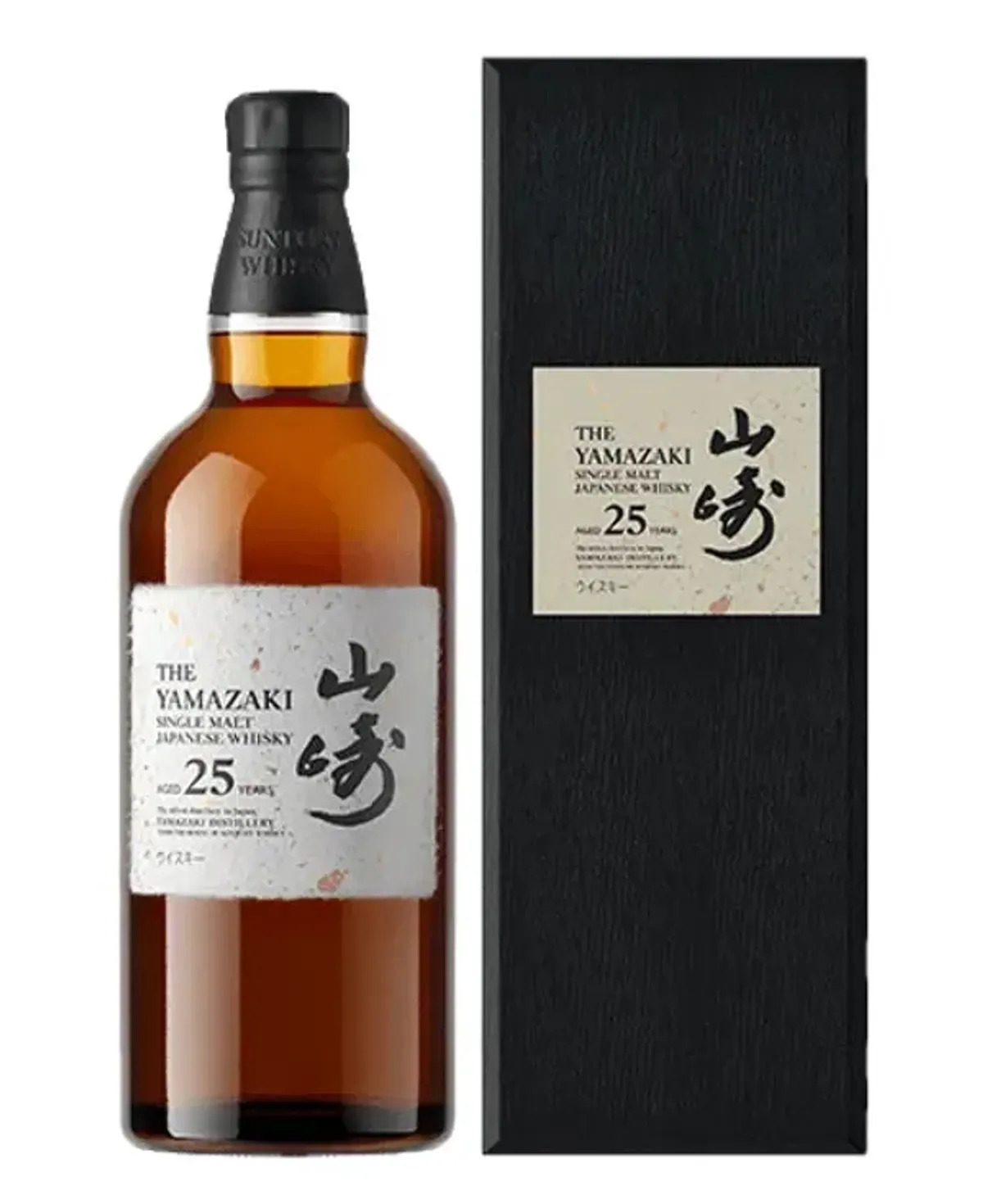
Yamazaki 25 is a rare, ultra-aged single malt that brings together a quarter-century of maturation, highlighting the distillery's traditional roots.
The appearance is a dark, glistening amber that reflects its decades of ageing.
The nose introduces an elegant bouquet dominated by old wood and unique Japanese stone fruits. You will notice fragrant Mizunara incense smoke and mature kaki persimmon, paired with tart ume plum notes.
The palate offers an incredibly complex, layered tasting experience. The first sip rewards you with rich sandalwood notes paired with the subtle sweetness of kaki persimmon, followed by tart ume plum and a gentle warmth of shoga ginger spice.
The texture is exceptionally viscous and velvety. It moves slowly across your tongue, which clings to your mouth.
Yamazaki Mizunara
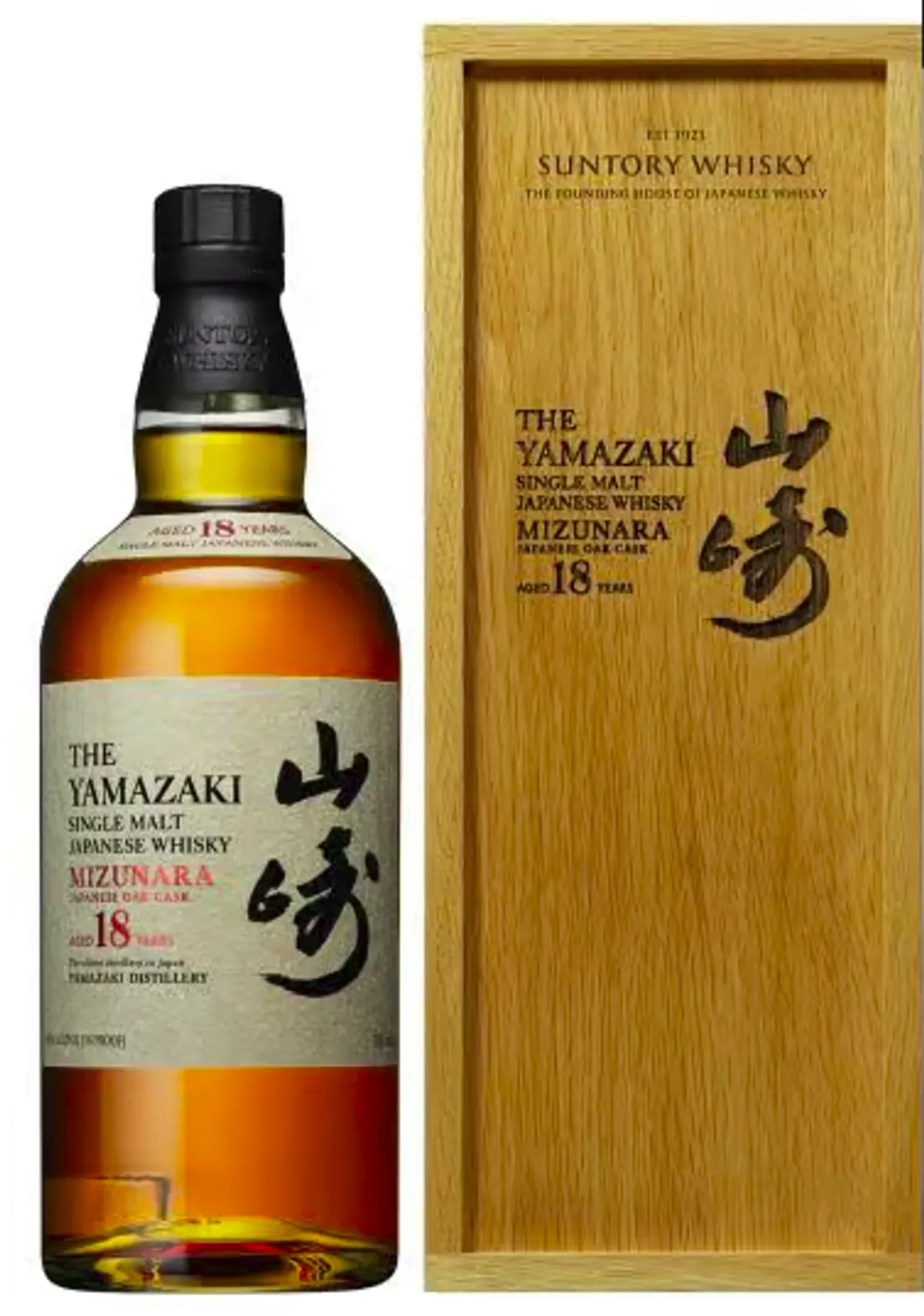
Yamazaki Mizunara represents the absolute pinnacle of Suntory's work with rare native Japanese oak, showcasing expressions aged for a minimum of 18 and 25 years exclusively in this notoriously porous wood.
The appearance is a striking reddish amber, glowing with a gem-like brilliance.
The nose is intensely aromatic and exotic. You will pick up rich notes of dark cherry and sweet apricot compote, accompanied by warm baking spices like nutmeg and cardamom.
The palate completely avoids standard scotch profiles, delivering an ethereal, temple-like flavour. You will taste subtly spiced orangette and bittersweet orange peel, layered over rich cream and a highly distinct undertone of burning Japanese incense.
The texture is beautifully unctuous and heavy. The liquid coats your tongue like fine oil, creating a slow, warming sensation that lingers.
Maturation relies entirely on hand-crafted Mizunara casks, which require at least 15 years before they reveal their signature sandalwood characteristics.
Hakushu
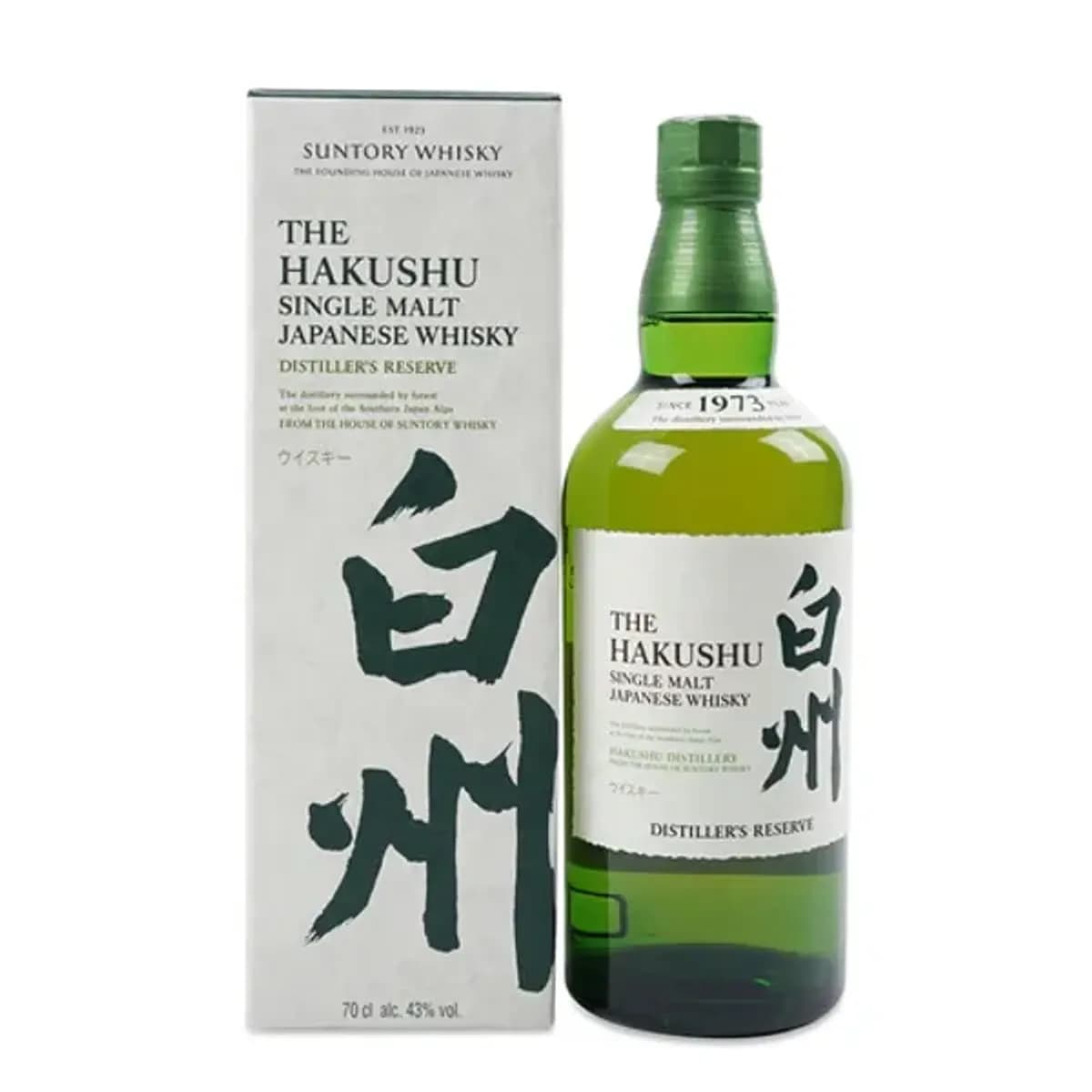
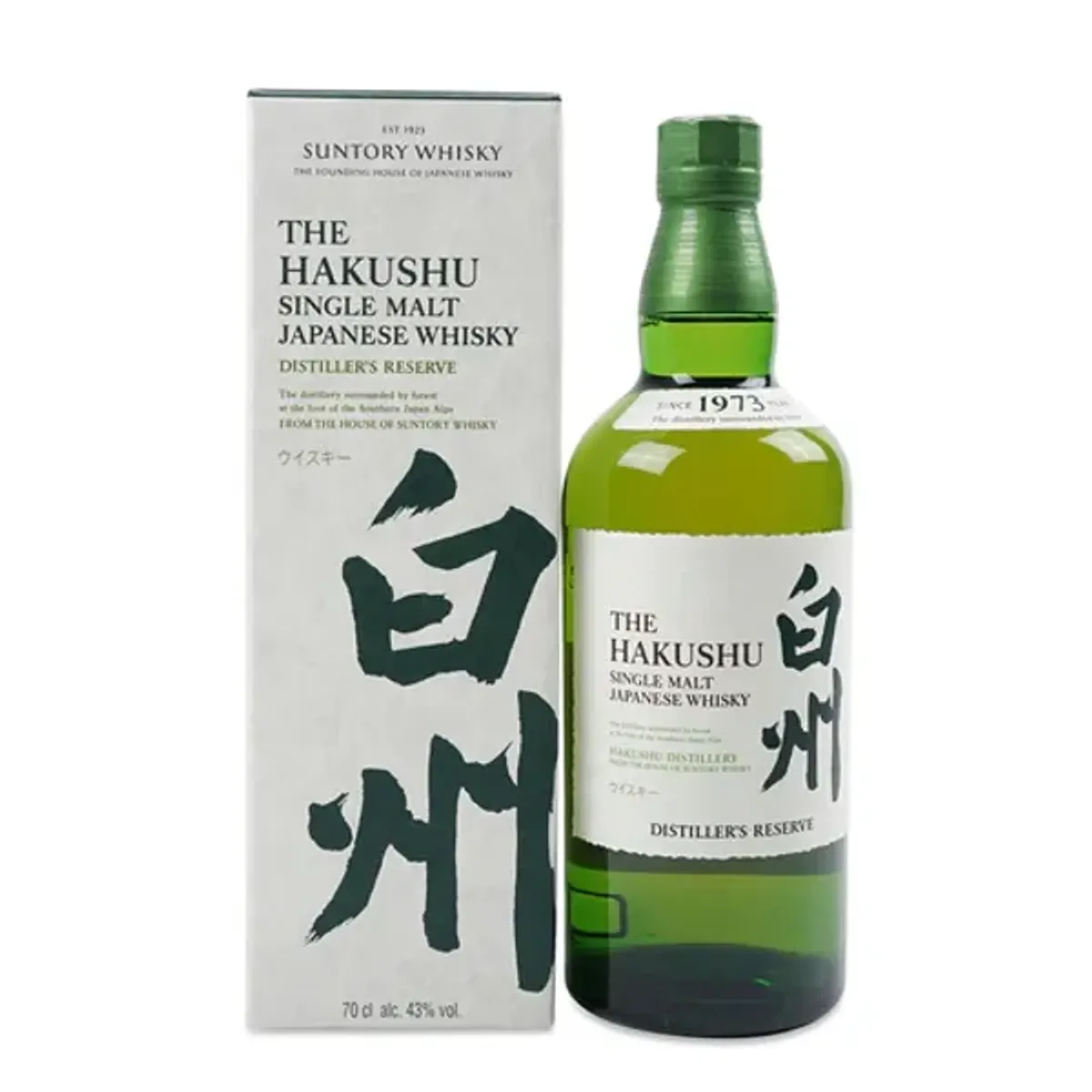
Founded by Suntory in 1973, the Hakushu distillery sits more than 700 metres above sea level in Japan's Southern Alps, nestled in the forests at the foot of Mt. Kaikomagatake. The altitude, the clean mountain air, and the soft water drawn from the surrounding granite give the whisky a crisp alpine personality that stands in clear contrast to the heavier, coastal styles produced elsewhere in Japan.
Across the range, you can expect a refreshing profile of green fruits like crisp apples, fresh herbs, and mint, with a dry, gentle thread of pine woodsmoke that drifts in on the back palate.
Hakushu Distiller’s Reserve
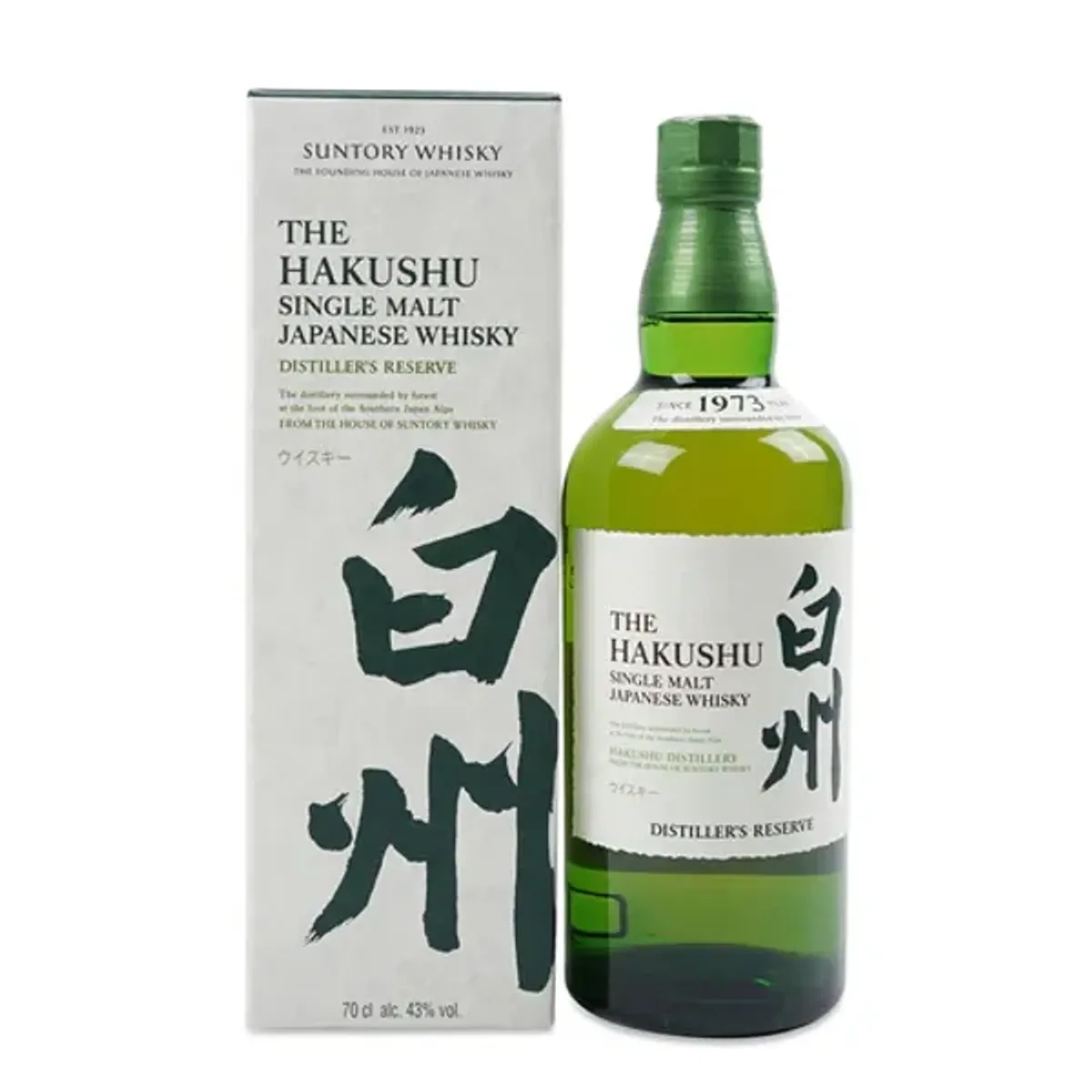
Hakushu Distiller's Reserve is Suntory's forest-distilled single malt. It’s produced in a high-altitude environment that gives it an exceptionally crisp character.
The appearance is remarkably light, pale gold, like clear champagne when held up to the light.
The nose is vibrant and completely refreshing. You will notice sweet green melon and fresh peppermint leaves, backed by a crisp cucumber note.
The palate mirrors this bright, green aroma on your tongue. The front of your mouth is hit with a lively burst of green apple and tart yuzu fruit, followed by grapefruit and lemon thyme. Before you swallow, a gentle breeze of forest woodsmoke or pine needles cuts through the citrus brightness.
The texture is incredibly light and clean, cleansing your palate.
Hakushu 12 Years Old
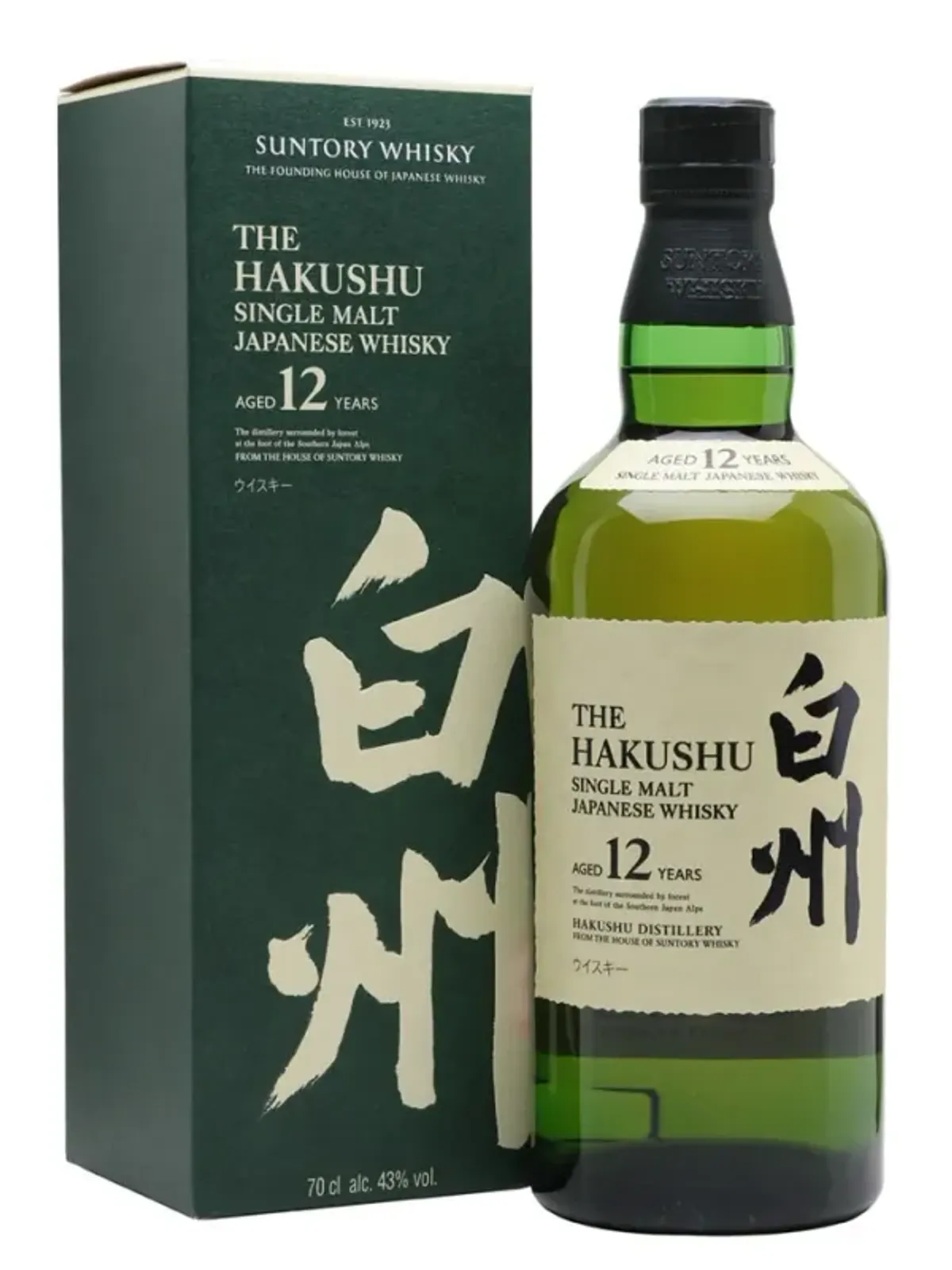
Hakushu 12 elevates the distillery's green flavour profile, utilising spirits aged for over a decade to introduce a sweeter, more rounded fruit character.
The appearance is a bright, straw-gold colour that reflects the distillery's pure, mountain-forest terroir.
The nose presents a wonderfully herbal and crisp invitation. You will pick up fresh basil and pine needles, alongside a distinct note of ripe green apples.
The palate treats your tongue to a delightful combination of orchard sweetness and cooling herbs. You will taste sweet pear and juicy kiwi fruit, completely intertwined with a vibrant flavour of crushed garden mint leaves.
The texture is smooth yet remarkably light. It offers a gentle, velvety touch on the front of your tongue, then finishes with a crisp, refreshing snap.
Hakushu 18 Years Old
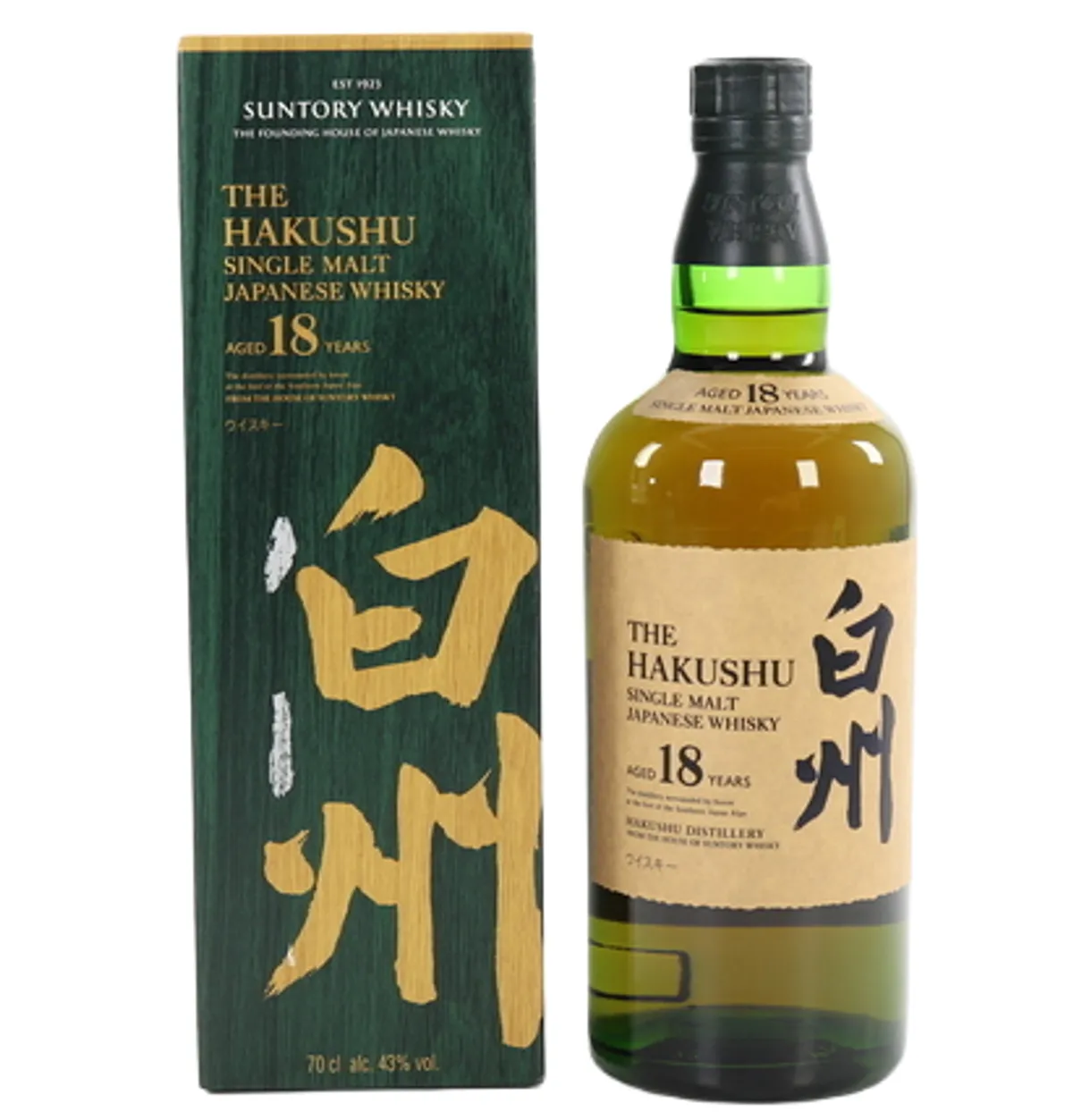
Hakushu 18 is an elegant maturation of the mountain spirit, where the vibrant green notes are accompanied by exotic orchard flavours.
The appearance is a beautiful, silky gold that shimmers with an amber tint.
The nose is wonderfully fragrant and mature. You will pick up notes of rich acacia honey and fragrant wood, paired with a lingering trail of gentle smoke.
The palate delivers a unique, tropical sweetness to your taste buds. You will taste ripe mango and sweet quince jelly, perfectly complemented by fresh menthol and sweet jasmine blossoms.
The texture is smooth and coating. It possesses a slightly heavier weight than the younger expressions, giving you a luxurious mouthfeel.
Hakushu 18 Years Old Peated Malt
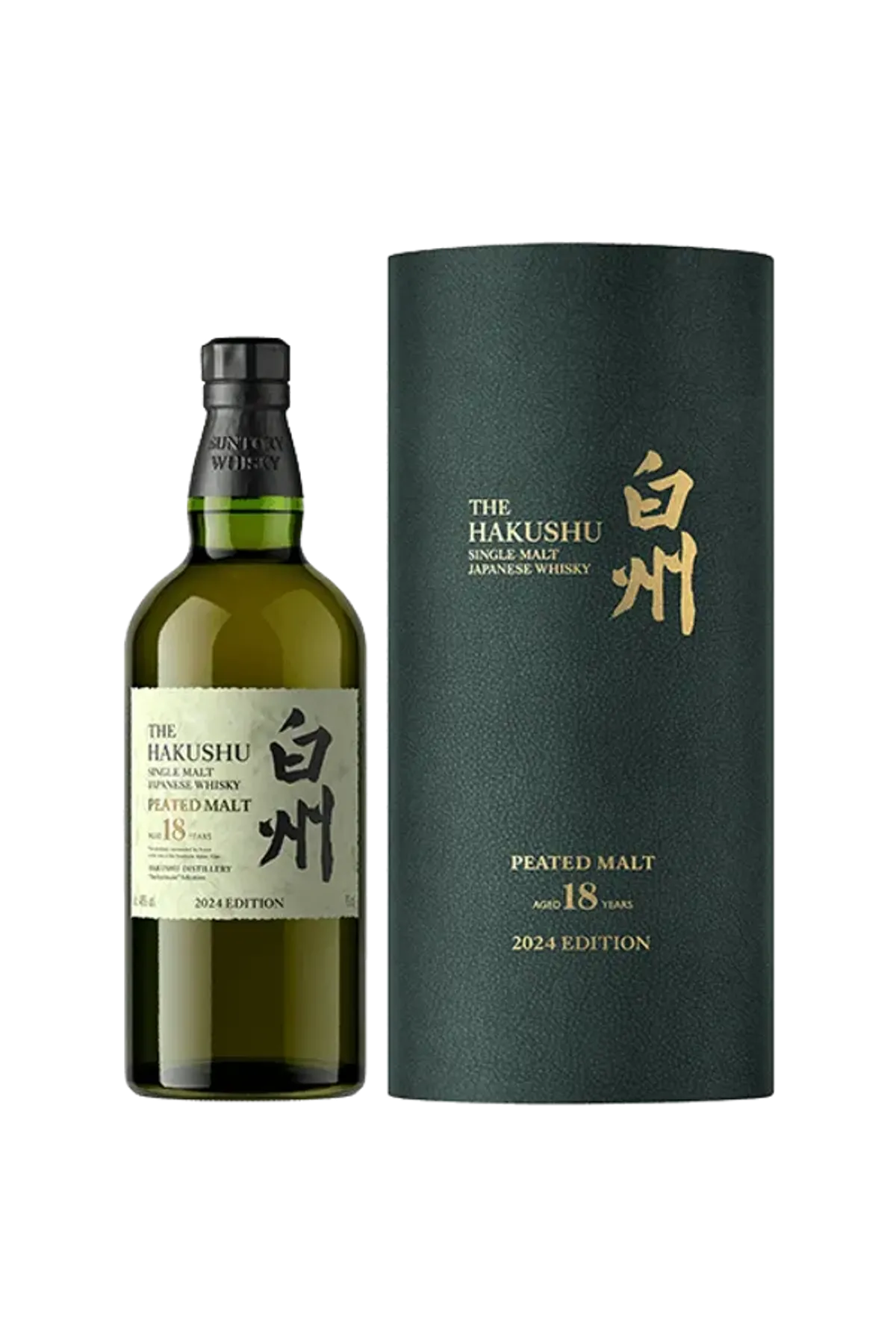
Hakushu 18 Peated Malt is a legendary, limited-edition expression that spotlights the distillery's historical use of robustly smoked barley.
The appearance is a luminous, bright gold.
The nose greets you with an exceptionally vibrant and fruit-forward invitation. You will notice top notes of fresh sage and ripe green apple, accompanied by hints of sweet pineapple.
With the peated malt, this expression places the smoke at the forefront. The blenders intentionally select malt parcels that have been heavily peated during kilning. When you take a sip, you will experience a far more defined wave of smoke than the Hakushu 18. Instead of tasting like heavy, oily medicine, it behaves like dry, clean charcoal smoke that thoroughly coats your mouth.
Hakushu 25 Years Old
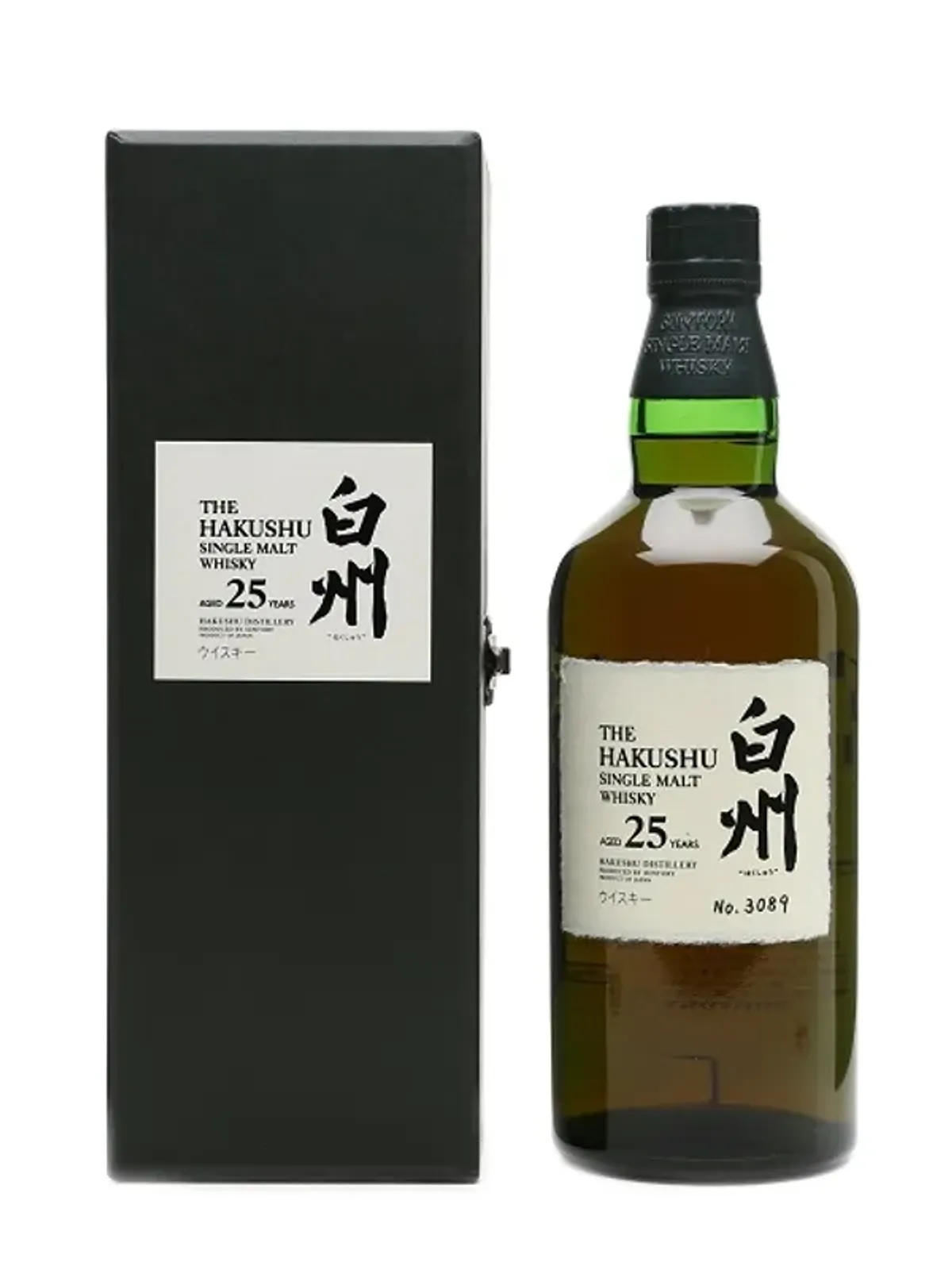
Hakushu 25 Years Old represents the absolute zenith of the aged mountain range, showing a magnificent marriage of old wood and mature, smoky fruit.
The appearance is a dark, regal amber, showing the intense cask extraction that occurred over a quarter-century of storage.
The nose is highly concentrated and aromatic. You will immediately pick up sweet prunes and ripe kaki persimmon, accompanied by an elegant top note of dried lavender.
You will taste rich woodsmoke and dark forest honey, paired with savoury notes of toasted walnut and ginger spice.
The texture is thick and exceptionally coating. It moves with a heavy majesty across your mouth.
Nikka
Nikka is Japan's second-oldest whisky house, founded in 1934 by Masataka Taketsuru, the figure widely credited as the father of Japanese whisky. Taketsuru was the first Japanese national to travel to Scotland to formally study distillation, and on his return, he helped Shinjirō Torii build the very first Yamazaki distillery before going his own way to set up Nikka.
Today, Nikka operates two distilleries with deliberately opposite styles. At the coastal Yoichi distillery in Hokkaido, the team works with traditional, stone-built pot stills heated by direct coal fires, a rare and labour-intensive method that gives the spirit a robust, slightly charred, and oily character.
At the mountain-ringed Miyagikyo distillery, the approach changes entirely. Larger, indirect steam-heated pot stills are used to capture the lighter, more volatile fruit esters, alongside vintage continuous Coffey column stills that yield richly flavoured grain whiskies.
Nikka Coffey Grain
When poured into your glass, the liquid displays a bright, honey-gold hue with a warm amber clarity.
The nose is highly inviting and bourbon-like. You will immediately pick up sweet notes of vanilla custard, caramel corn, and toffee, followed by lighter undertones of fresh coconut cream, ripe banana, and a faint herbal hint of chamomile.
On your palate, the whisky delivers a luxuriously silky and oily mouthfeel.
Sweet corn and butterscotch flood the front palate, transitioning into richer dessert layers of crème brûlée and vanilla sponge cake, balanced by a gentle pop of baking spices like cinnamon and white pepper.
The finish is medium-long, warm, and remarkably clean. The vibrant corn sweetness and vanilla slowly taper off, leaving behind a comforting, creamy aftertaste with a light touch of soft oak and citrus zest.
The un-aged spirit is laid down in a carefully selected rotation of old American oak casks — a mix of refilled, remade, and re-charred barrels. That specific wood environment lets the distillate soak up the classic bourbon-style oak sweetness Coffey Grain is known for.
One thing worth knowing: Nikka Coffey Grain is one of the few bottles in the Nikka range that fully meets every criterion of "Japanese whisky" as defined by the Japan Spirits & Liqueur Makers Association. The brand's flagship single malts, Yoichi and Miyagikyo, also comply. A handful of other Nikka releases — including some that incorporate distillate from outside Japan — do not, which is something to keep in mind when you're buying for authenticity.
Our Verdict
Hibiki caters to anyone who enjoys a silky, weightless mouthfeel paired with decadent notes.
Yamazaki caters to single malt purists, such as Scotch or Irish whisky enthusiasts who want to experience Japanese terroir.
Hakushu is the pick for anyone who finds heavy, smoky, or briny Islay Scotches a bit too intense, and who'd rather have something crisp, refreshing, and clean than thick, syrupy, or jammy.
Nikka is ideal for drinkers who value a dense and coating mouthfeel.